Waterless Liquid Cooling For University & Research Data Centers

Unlock more AI and HPC performance—without building a new data center. HyperCool® lets research institutions retrofit existing infrastructure for next-generation processors, without bringing water to the server. 

Built for the Demands of Modern
Research Computing

 Research institutions operate some of the most compute-intensive environments in higher education. From large language models to genomics, climate science, and engineering simulation, today's AI and HPC processors demand dramatically more power than the campus data centers built to house them.

ZutaCore HyperCool® is designed to support these demanding environments by removing thermal limits and enabling  efficient, high-density computing — without replacing existing infrastructure. 


Maintain full processor performance for AI training, HPC workloads, and research computing without thermal throttling.

Retrofit existing servers to support next-generation 4,000W+ processors without new construction.

Protect research infrastructure with ZutaCore's two-phase direct-to-chip cooling that removes heat efficiently while keeping water away from the server.

Thermal Challenges Facing Research Institutions

latency performance risks

Rising Processor Power Demands

Today's AI and HPC processors run at 400W, 700W, and soon 1,000W+ — far beyond what campus data centers built a decade ago were designed to cool.

compute density growth

Compute Density Growth

Next-generation CPUs and GPUs are driving power densities beyond the limits of traditional air cooling in university research environments.

colocation capacity limits

Facility & Budget Constraints

Building new data center space is costly and slow — leaving institutions to delay AI deployments, limit processor performance, or sacrifice valuable campus space.

The HyperCool® Solution

Direct-to-Chip Cooling

Direct-To-Chip Cooling

HyperCool removes heat directly from the processors powering AI training, simulation, and research computing — enabling higher rack density and eliminating thermal throttling.

Increased Compute Density

Retrofit Ready, Waterless by Design

Unlike solutions that require purpose-built infrastructure, HyperCool retrofits existing racks and chilled water infrastructure with no water entering the server — eliminating leak risk while improving reliability.

Energy Savings

Energy Savings

HyperCool reduces cooling power and fan energy, freeing up power for research computing instead of climate control. University of Münster projects savings exceeding $1M annually for a 2MW deployment.

Environmentally Friendly

Sustainability Built In

Support institutional net-zero goals through reduced energy and water use for campus sustainability initiatives.


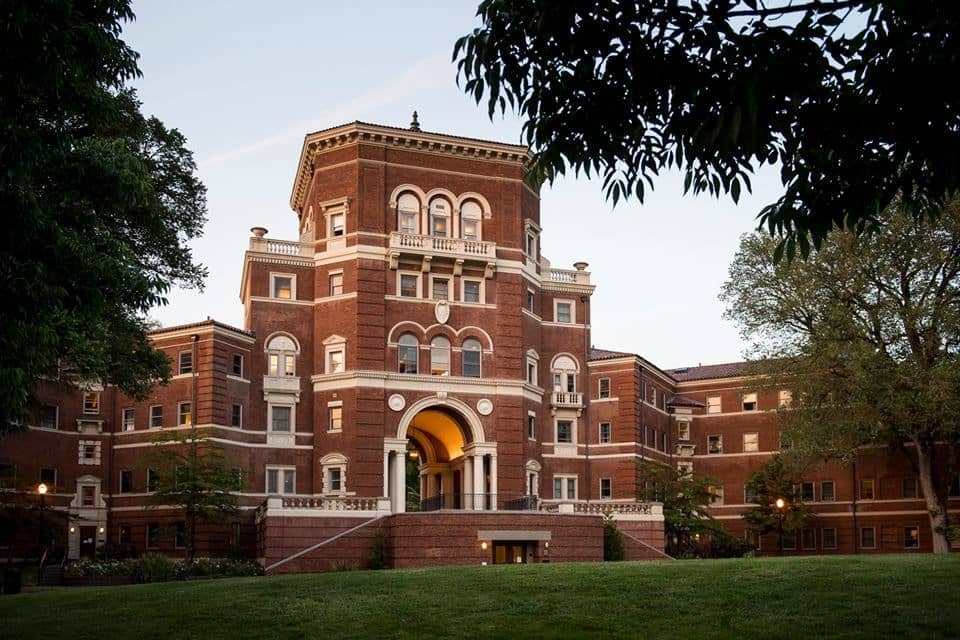
Oregon State University 

Modernizing an Existing Research Data Center Rather than replacing its infrastructure, Oregon State retrofitted existing servers with HyperCool to increase compute capacity, reduce processor temperatures, and redirect power previously used for CRAC units into additional research computing.

  • 20% higher compute performance
  • Up to 30% lower processor temperatures
  • Eliminated the need for four additional cooling systems
  • Heat reuse supporting campus sustainability
oregon-state-university-2

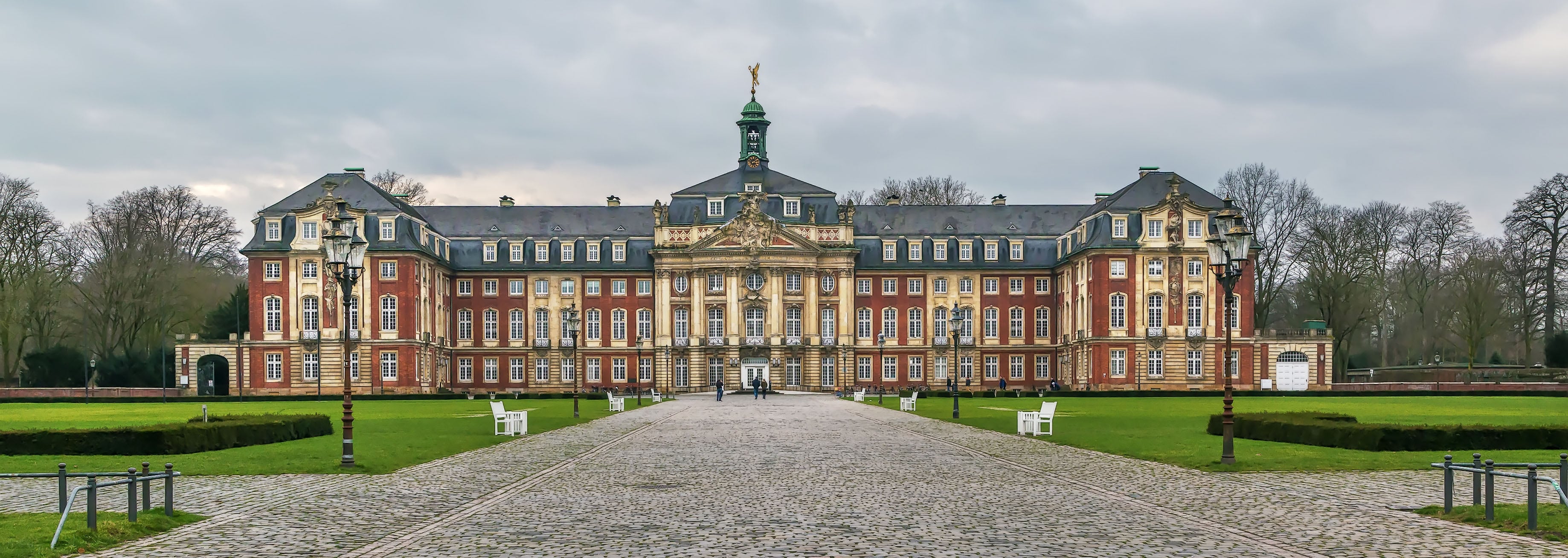
University of Münster 

Facing growing HPC demands, the university selected HyperCool over immersion and conventional liquid cooling for greater compute density, lower energy costs, and no water at the server.

  • Up to 82% lower cooling energy
  • 50% less floor space
  • Projected savings exceeding $1M annually for a 2MW deployment
  • 100% heat reuse capability
munster-crop

Future-Proof Your Campus 

 AI infrastructure will continue to evolve — your data center should evolve with it. HyperCool lets universities adopt new processors and expand research capacity without abandoning existing investments, from a single rack retrofit to campus-wide modernization. 

What Our Clients Are Saying

"We were able to retrofit many servers... increasing our overall capacity with the same space."

Christopher M. Sullivan

Director, Research & Academic Computing, Oregon State University

"By deploying ZutaCore's direct-to-chip liquid cooling technology, we were able to increase the density of servers in a rack, while also using less electrical power for fans."

Holger Angenent

Leader of CIT e-Science Infrastructure Group at University of Münster

"We have been thrilled with our efficient transition to HyperCool. This system has vast potential in enhancing power within the rack and enabling an energy-efficient leap towards next-generation servers."

Maurizio Davini

CTO at University of Pisa